
Define the problem before a build.
Identify the users, existing tools and repeated friction so the scope addresses a specific task.
Start with the task your team needs to do and the tools you already have. We help decide whether a focused change, an existing tool or a scoped software build is the appropriate next step.
Request a free consultationStart with a free 20-minute phone consultation. Explain your goal and check the fit before agreeing to a project.

What the work helps you do
Identify the users, existing tools and repeated friction so the scope addresses a specific task.
The agreed first version focuses on essential workflows instead of an open-ended feature list.
Delivery, access, documentation and ongoing responsibilities are settled in the project agreement.
Start with the task
Describe the people doing the task, their current tools, the repeated steps and where information gets stuck. Existing software, a configuration change or a smaller improvement may be sufficient.
Before building, agree on what will be delivered, where it will run, who controls the files and accounts, what documentation is included, and who handles hosting, maintenance and support afterward. These are project decisions, not automatic package inclusions.
Try the working request-queue concept below to see a small example of tracking a task through completion. It uses fictional sample information and does not imply an included integration or a finished application for your business.
The agreed scope
Useful software starts with a specific problem and the people who experience it. We review the workflow and agree on a written scope before building. Possible projects include inquiry tracking, internal requests and staff dashboards, with supported integrations, data handling, delivery and ongoing responsibilities considered during planning.
Your proposal confirms deliverables, timing, revisions and any ongoing support before work starts.
Request a free consultationDescribe the users, workflow and intended result. The proposal defines features, boundaries, milestones and the project agreement before building begins.
Identify essential functions and separate them from possible later additions.
Plan understandable screens and the main paths through the application.
Build the application or business tool agreed in the technical scope.
Assess connections to existing services based on their supported access and capabilities.
Review the software against agreed requirements. Delivery, documentation, deployment, ownership and any ongoing hosting or maintenance responsibilities are defined in the proposal.
How we work
Describe the task, users, current tools and repeated friction. Agree on what the first version needs to solve so you know what is included.
Review working progress against the agreed features and user paths. Your feedback helps identify what needs refining within that scope.
Review the main paths against the requirements and receive the release, documentation and handoff agreed for the project. Confirm who handles ongoing responsibilities.
Working concept / Project queue
Try the sample workflow below. A useful first version can make one everyday task easier to understand.
Sample project
2 open · 1 complete
Awaiting review
Before launch
Direction approved
No tasks in this view. Choose another filter or reset the example.
Interactive concept with fictional tasks. Changes stay in this page and reset when you reload. No account, saved customer information or external connection is involved.
Mark an item complete, switch between open and completed work, then reset the example. The count and list stay in step so it is clear what still needs attention.
This demonstrates a focused interface and working state changes. A business application would need its own requirements for access, storage, privacy, integrations and ongoing support.
Questions, answered
Yes. We can work through the problem, intended users and essential functions before deciding what belongs in the first version.
We assess each integration individually. Feasibility depends on the systems, supported APIs, permissions and data involved.
Hosting, maintenance, support and future development are defined in the project agreement rather than assumed to be included indefinitely.
We discuss new requirements and their effect on scope, timing and the agreement before doing additional work.
Start with a description of the task, tools and people involved. Do not email passwords or sensitive customer or student records. We agree on appropriate access and data handling when needed.
Explore further

Help customers understand your business and contact you, with hosting and a defined plan for keeping the site current.
Explore service
Help incoming callers get approved answers and leave useful details while your team handles other work.
Explore service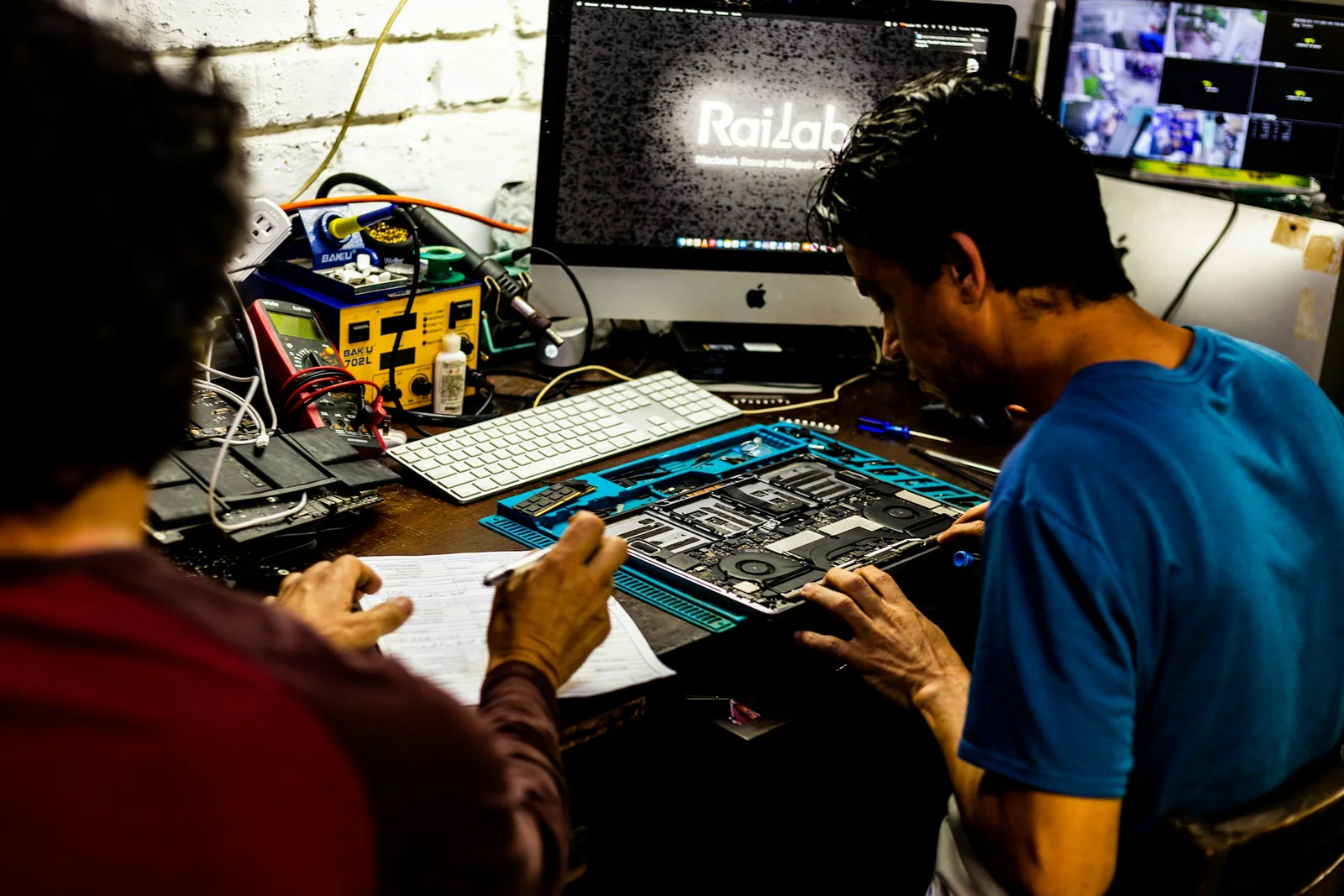
Describe a device or software problem and find a practical, agreed next step.
Explore serviceA free 20-minute phone consultation
Tell Darius what you want to improve and what you already have. Talk through fit, priorities and the scope worth exploring. You do not need to choose a package first.
A conversation does not start a project or subscription.